
Revolutionizing Wrist Fracture Repair: The Ultimate Guide to the Distal Radius Rim Head Multi-Angle Locking Plate
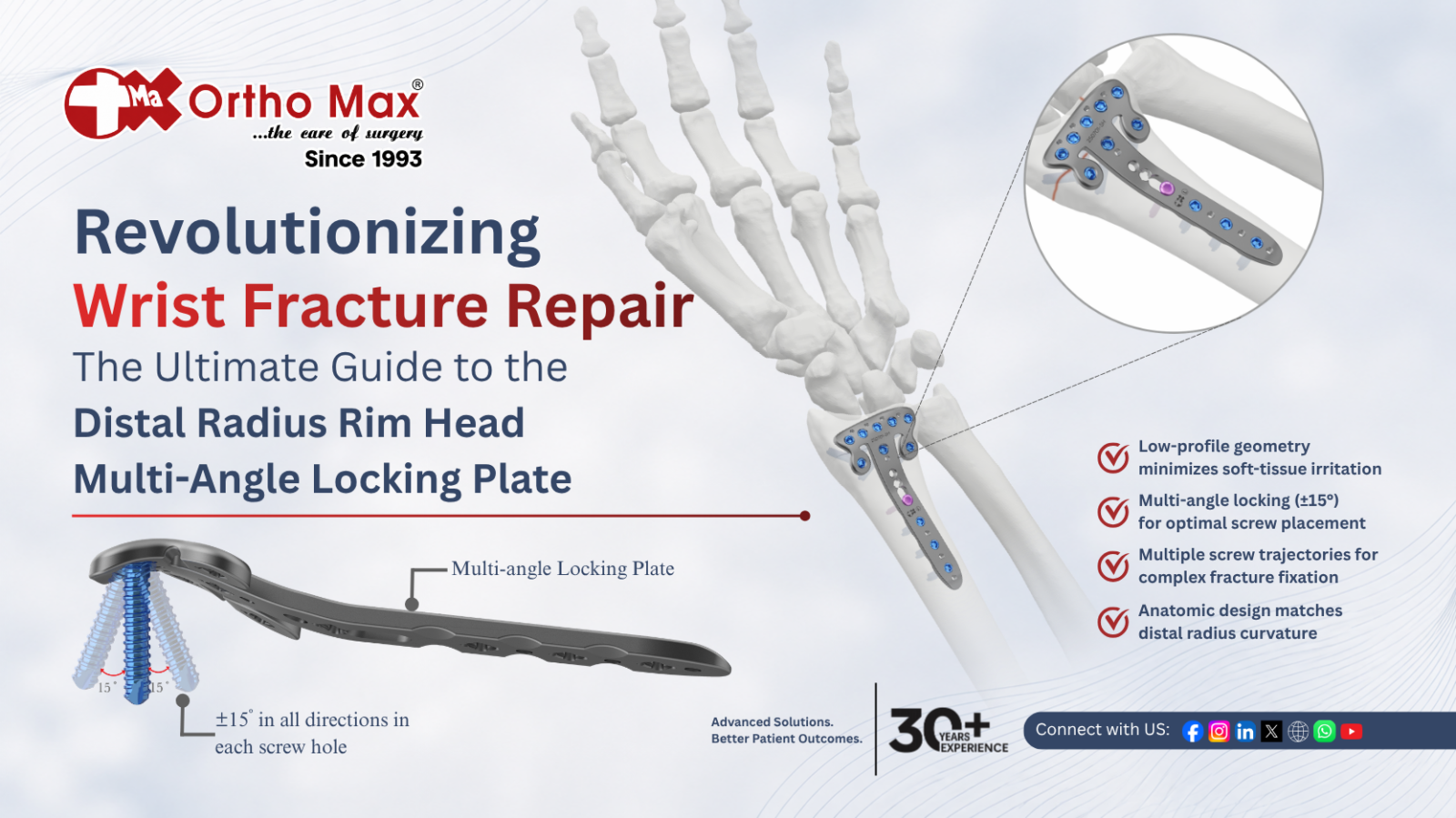
The human wrist is an incredibly complex joint, and fractures of the distal radius are among the most common orthopaedic injuries encountered in clinical practice. Historically, treating complex, intra-articular fractures of the wrist presented significant challenges for orthopaedic surgeons, often leading to restricted movement, arthritis, or persistent pain for the patient. However, orthopaedic technology has evolved.
The new generation of low-profile distal radius rim head locking plates is engineered specifically to meet these rigorous requirements, integrating advanced locking technology, variable screw angulation, and ergonomic design for optimal clinical outcomes. In this post, we will dive deep into the function, features, and distinct advantages of the Distal Radius Rim Head Multi-Angle Locking Plate, and why it represents the new standard in internal fixation.
The Core Function of the Multi-Angle Locking Plate
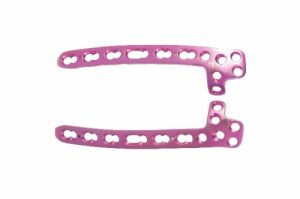
At its most fundamental level, the primary function of the Distal Radius Rim Head Multi-Angle Locking Plate is to provide rigid internal fixation for complex fractures of the distal radius. Internal fixation is a surgical procedure that stabilizes and joins the ends of fractured bones using mechanical devices—in this case, advanced bone plates and screws.
When a patient suffers a severe wrist fracture, the bone can shatter into multiple fragments (comminution), particularly around the joint surface (intra-articular fractures). The function of this specialized plate is to act as an internal splint. By securely holding the reduced bone fragments in their correct anatomical alignment, the plate facilitates the natural healing process while preventing the bone segments from shifting out of place.
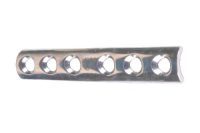
Manufactured from premium, biocompatible materials—specifically Titanium Grade V and SS 316L (Stainless Steel) —these plates offer the necessary biomechanical strength to withstand the daily forces exerted on the wrist while ensuring long-term compatibility within the human body.
Key Features of the Implant
This next-generation fixation system is defined by several cutting-edge engineering features designed to assist the surgeon and improve patient recovery.
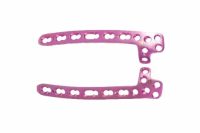
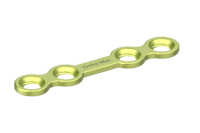
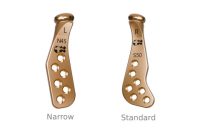
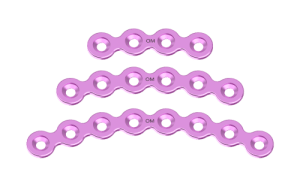
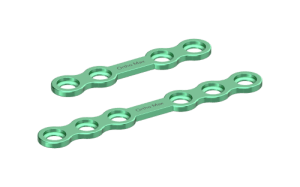
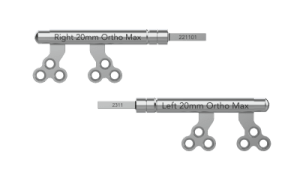
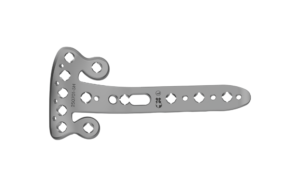
- Advanced Low-Profile Plate Geometry: The plate is exceptionally thin. This low-profile geometry is crucial because it reduces soft-tissue impingement and significantly minimizes extensor tendon irritation post-fixation, a common complication in older, bulkier plate designs.
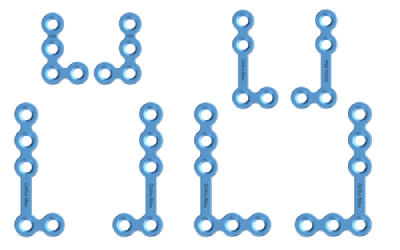
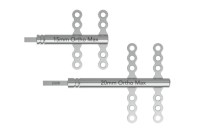
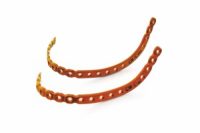
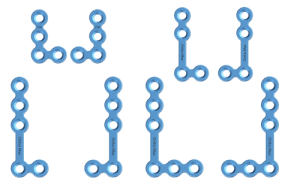
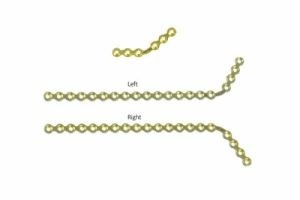
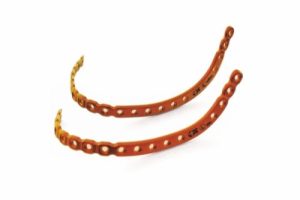
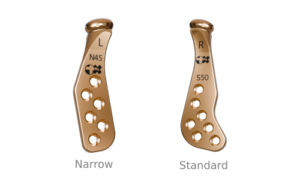
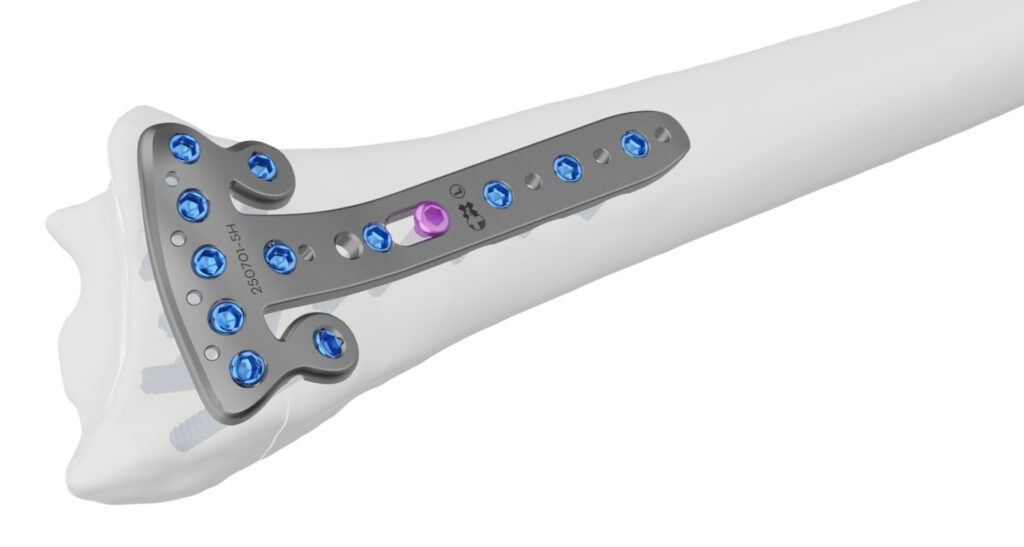
- Anatomically Contoured Design: The implant is not a generic shape; it is precisely engineered to match the natural anatomy of the human skeletal system. The anatomically contoured design precisely matches the distal radius rim curvature, ensuring an optimal fit with minimal need for intraoperative plate bending.
- Multi-Angle Locking Technology: Standard locking plates only allow screws to be inserted at a fixed 90°-degree angle. This system features multi-angle locking technology that allows variable-angle screw insertion (±15° in all directions in each screw hole). This flexibility allows the surgeon to target specific fragments and achieve robust subchondral bone support.
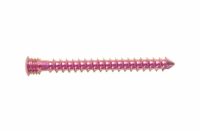
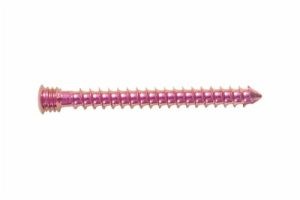
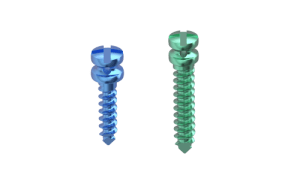
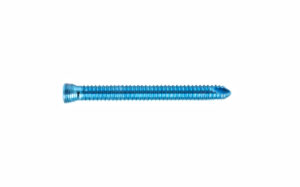
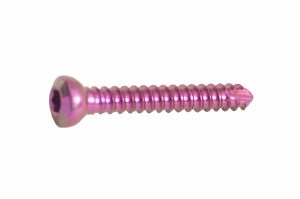
- Versatile Screw Configurations: To secure the plate, the system utilizes a precise combination of specialized screws. It accommodates Cortical Locking screws (multi-angle, 2.7mm) designed to lock directly into the plate, creating a fixed-angle construct. Additionally, it supports 2.7mm Cortical Non-Locking screws to draw the bone toward the plate, giving surgeons the ultimate flexibility to address the unique fracture pattern of each patient.
- Multiple Screw Trajectories: The plate’s hole placement and variable angle capabilities enable multiple screw trajectories. This is vital for the secure fixation of specific, hard-to-reach bone shards, such as the radial styloid, volar rim, and dorsal rim fragments in complex intra-articular fractures.
The Advantages for Surgeons and Patients
The integration of these features translates into profound advantages in a real-world clinical setting.
For the orthopaedic surgeon, the primary advantage is unparalleled control and versatility. No two fractures are exactly alike. The ability to pivot a 2.7mm cortical locking screw up to 15° degrees in any direction means that the surgeon can actively capture small, rogue bone fragments that would otherwise be lost or unstable. Furthermore, the combination of Titanium Grade V and SS 316L (Stainless Steel) options means the surgical team can select the ideal material based on patient needs and surgeon preference.
For the patient, the advantages are centered around a faster, safer, and more comfortable recovery. Because the plate is anatomically contoured and low-profile, patients are far less likely to experience the pain and limited mobility associated with tendon irritation. Furthermore, because the multi-angle locking screws create a highly stable construct (acting almost like a scaffold beneath the joint surface), patients can often begin early mobilization and physical therapy. Early movement is critical for preventing joint stiffness and ensuring the patient regains full range of motion in their wrist.
Frequently Asked Questions (FAQ)
What is a Distal Radius Rim Head Multi-Angle Locking Plate?
It is an advanced orthopaedic implant used in surgery to repair severe fractures of the distal radius (the larger bone of the forearm, near the wrist). It acts as an internal splint to hold broken bone fragments in proper alignment while they heal.
What materials are used to manufacture these bone plates?
These plates are utilized for internal fixation and are typically manufactured from high-grade, biocompatible metals, specifically Stainless Titanium Grade V and SS 316L (Stainless Steel). Both materials offer exceptional strength and are safe for long-term implantation in the human body.
What does “multi-angle” or “variable-angle” mean in this context?
Traditional locking plates require screws to be inserted straight down at a fixed angle. This advanced plate features specialized screw holes that allow the 2.7mm cortical locking screws to be angled up to ±15° in any direction. This helps surgeons target specific, difficult-to-reach bone fragments.
How many and what type of screws does this plate utilize?
The system is highly versatile. A typical configuration accommodates multi-angle Cortical Locking screws (2.7mm) which lock into the plate for maximum stability. It also allows for the use of standard 2.7mm Cortical Non-Locking screws to help compress the bone against the plate.
Why is a “low-profile” design important for a wrist plate?
The wrist has very little fat or muscle covering the bones; the tendons run directly over the skeletal structure. A bulky plate can rub against these tendons, causing pain, inflammation, and potential tendon ruptures. A low-profile geometry prevents this soft-tissue impingement and minimizes extensor tendon irritation.
Can this plate be used for intra-articular fractures?
Yes, it is specifically designed for them. Intra-articular fractures involve the joint space itself. The plate’s multiple screw trajectories enable secure fixation of critical joint components, including radial styloid, volar rim, and dorsal rim fragments, ensuring the joint surface heals smoothly.
Does the surgeon need to bend the plate to fit my wrist?
Generally, no. The plate features an anatomically contoured design that precisely matches the natural curvature of the distal radius. While minor adjustments can be made, the pre-contoured shape saves surgical time and ensures an optimal fit immediately out of the package.
Is hardware removal required after the fracture heals?
In most cases, internal fixation devices made of Titanium Grade V Or SS 316L (Stainless Steel) are left in the body permanently unless they cause irritation, infection, or discomfort to the patient. Because this specific plate is low-profile, the need for future removal surgeries is significantly reduced.
About us
Ortho Max® Legacy Forged in Vision, Strengthened by Generations.
For over 33 years, Ortho Max® has been a pioneer in orthopaedic and maxillofacial implants earning a reputation of trust, quality, and innovation in the healthcare industry.